The Insulin Divide: Why American Diabetics Are Looking South of the Border for Survival
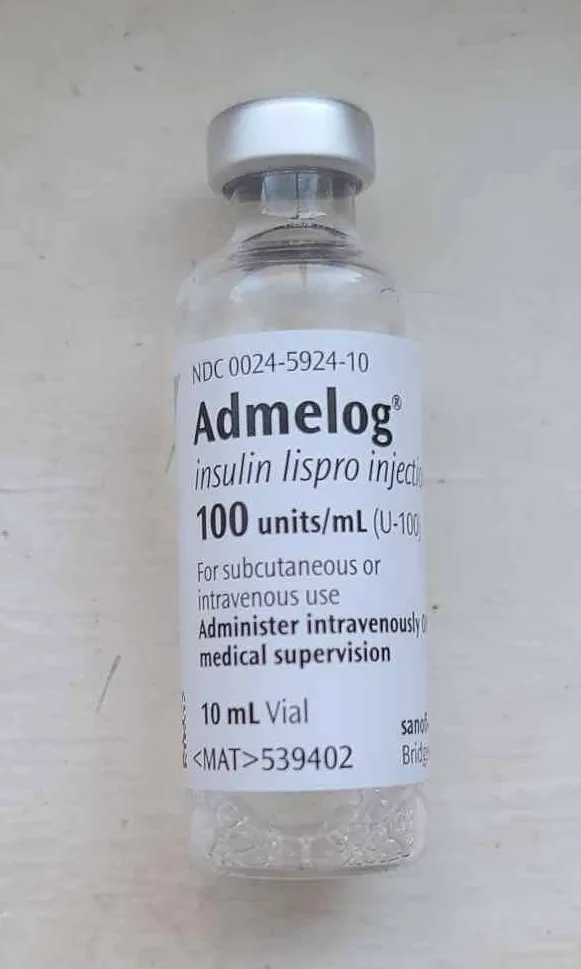
Photo: MallardTV, CC0, via Wikimedia Commons
For millions of Americans living with diabetes, insulin is not optional — it is the difference between life and death. Yet the price of this century-old medication in the United States has pushed patients toward an unlikely solution: Mexican pharmacies and clinics offering the same life-sustaining drugs at a fraction of the cost. At PharmMexico, we have tracked this migration closely, and what we have found is both striking and instructive.
A Crisis Hiding in Plain Sight
The numbers are difficult to ignore. According to research published by the American Diabetes Association, the average out-of-pocket cost for insulin in the United States increased by more than 50 percent in a single decade. A single vial of brand-name analog insulin — the kind required by most Type 1 diabetics and many with Type 2 — can retail for $250 to $350 in American pharmacies without insurance coverage. For patients who require multiple vials per month, that translates to an annual expenditure that can easily reach $5,000 to $10,000.
Contrast this with what patients are finding in Mexico. The same insulin formulations — identical in molecular structure and clinical effect — are available at Mexican pharmacies for $25 to $80 per vial. The price difference is not marginal. It is, in many cases, a factor of five to ten.
Why Does the Price Gap Exist?
Understanding the disparity requires a brief examination of pharmaceutical pricing structures in both countries. In the United States, insulin prices are shaped by a complex web of manufacturer list prices, pharmacy benefit manager negotiations, and insurance formulary decisions. Because insulin was invented before modern patent law frameworks, the original molecules are technically off-patent — yet pharmaceutical companies have made incremental modifications to formulations to extend effective market exclusivity. The result is a marketplace where competition has been structurally limited.
In Mexico, the regulatory environment operates differently. The Federal Commission for Protection against Sanitary Risks — known by its Spanish acronym COFEPRIS — oversees drug approvals and quality standards. The agency has approved numerous insulin formulations, including both older human insulins (such as NPH and Regular) and modern analogs (such as glargine and aspart). Because Mexico's pricing system does not include the same intermediary layers present in the American market, retail prices remain dramatically lower.
It is worth noting that Mexico also maintains robust generic and biosimilar pathways for insulin production, further expanding the affordable options available at the pharmacy counter.
What Patients Are Actually Finding
Speak with Americans who have made the trip to Mexican border cities or interior pharmacies, and a consistent picture emerges. Patients from Texas, California, Arizona, and New Mexico — states with ready access to border crossings — frequently describe their first experience at a Mexican pharmacy as genuinely disorienting. The medications they were rationing at home, the vials they were stretching beyond their recommended use-by dates, are stacked openly on pharmacy shelves at prices that seem almost implausible.
One pattern we have observed is that patients are not exclusively purchasing older human insulins. Pharmacies in cities such as Tijuana, Juárez, Nogales, and Nuevo Laredo stock modern analog insulins, including long-acting basal formulations and rapid-acting mealtime options. For Type 1 diabetics in particular, access to these analogs is clinically significant — they offer more predictable absorption profiles and reduce the risk of dangerous hypoglycemic episodes.
Beyond border pharmacies, some patients are engaging with Mexican endocrinology clinics for comprehensive diabetes management. These facilities offer A1c testing, continuous glucose monitoring consultations, dietary counseling, and prescription services — often at total costs that remain well below what a single specialist visit would cost in the United States without insurance.
Navigating the Regulatory and Legal Landscape
Americans considering this path should be clear-eyed about the regulatory framework on both sides of the border. In Mexico, insulin is available without a prescription at most pharmacies — a policy that reflects a different philosophical approach to medication access. This makes the purchasing process relatively straightforward for American visitors.
The more nuanced question involves bringing insulin back across the border into the United States. U.S. Customs and Border Protection generally permits individuals to import a personal-use supply of medication — typically interpreted as a 90-day supply — provided the medication is for personal use and not for resale. The FDA has historically exercised enforcement discretion on personal importation of medications that are not commercially available at affordable prices domestically, though this policy is not codified as a guaranteed right.
Patients should carry their original prescription documentation from a U.S. physician, keep medications in original packaging, and be prepared to declare medications at the border. Consulting with a healthcare provider before any changes to insulin type or formulation is strongly advisable, as different insulin products — even those with similar names — may have distinct dosing characteristics.
Storage, Quality, and Safety Considerations
A legitimate concern for any patient sourcing insulin across the border is product quality and cold-chain integrity. Insulin is a temperature-sensitive biologic; exposure to excessive heat or freezing can degrade its effectiveness. Patients traveling from Mexico to the United States should transport insulin in insulated bags with appropriate cooling elements and should avoid leaving it in vehicles during hot weather.
Regarding quality, COFEPRIS-approved medications sold in licensed Mexican pharmacies meet established pharmaceutical standards. Patients are advised to purchase from established chain pharmacies — such as Farmacias del Ahorro, Benavides, or Similares — rather than informal vendors, and to verify that packaging seals are intact.
The Broader Implications
The movement of American diabetics toward Mexican insulin sources is not simply a story about individual cost savings. It reflects a systemic failure in domestic pharmaceutical pricing that is compelling patients to become international healthcare consumers. Advocacy organizations, health economists, and policymakers have increasingly cited the cross-border insulin trade as evidence of the urgency for domestic pricing reform.
For patients living with diabetes today, however, the policy debate offers little immediate comfort. What PharmMexico observes is a pragmatic, growing community of Americans who have made a rational calculation: that the resources required to manage their condition sustainably exist across the border, and that accessing them is worth the effort.
For those beginning to explore this option, the most important first step is thorough preparation — understanding what formulations you currently use, carrying documentation from your U.S. provider, and identifying reputable pharmacies or clinics in advance. The savings are real. The medications are legitimate. And for a growing number of American diabetics, the border has become less a boundary than a bridge to the care they deserve.