Paying Tourist Prices at the Mexican Pharmacy? Here's How to Know — and What to Do About It
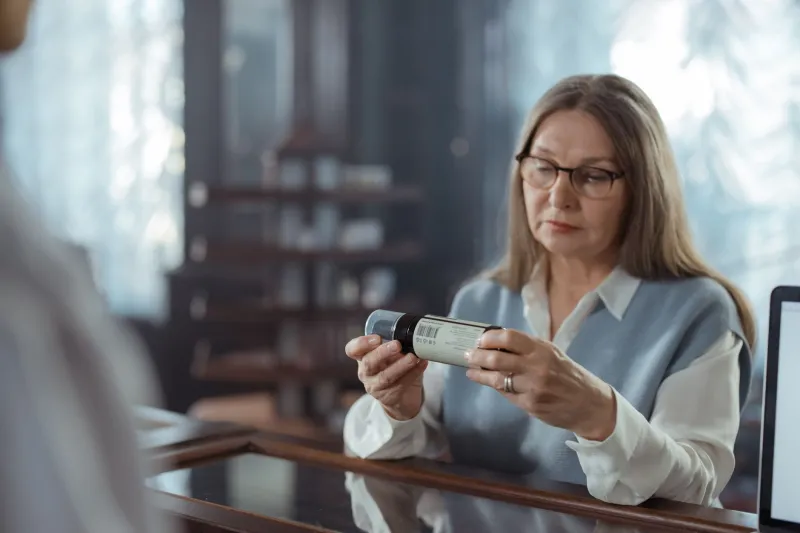
For most Americans, the first trip to a Mexican pharmacy feels like a victory before they even reach the counter. Prices are visibly lower than anything they encounter at home, and the relief of affordability can quickly override the instinct to question whether the price quoted is actually fair. That instinct, however, is worth preserving.
The reality is that pharmacy pricing in Mexico is not always uniform, and first-time visitors — particularly those who arrive in tourist-heavy border towns or resort corridors — can and do pay more than long-term residents for the same medications. This is not necessarily a matter of fraud. It is, more accurately, a matter of market dynamics, pricing flexibility, and the absence of information on the buyer's side. Understanding those dynamics is the first step toward closing that gap.
Why Pharmacy Prices Are Not Fixed the Way Americans Expect
In the United States, retail drug pricing is largely opaque but structurally consistent within a given chain. A bottle of metformin at one Walgreens location costs roughly the same as at another. That expectation does not transfer cleanly to Mexico.
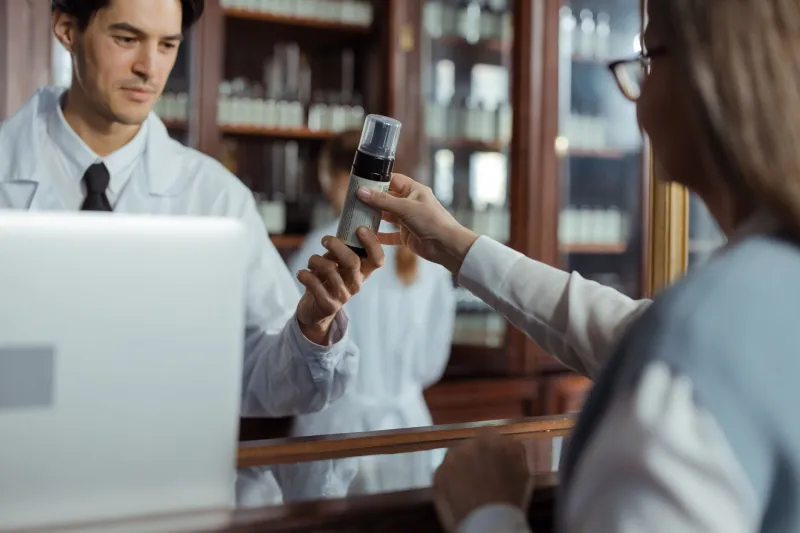
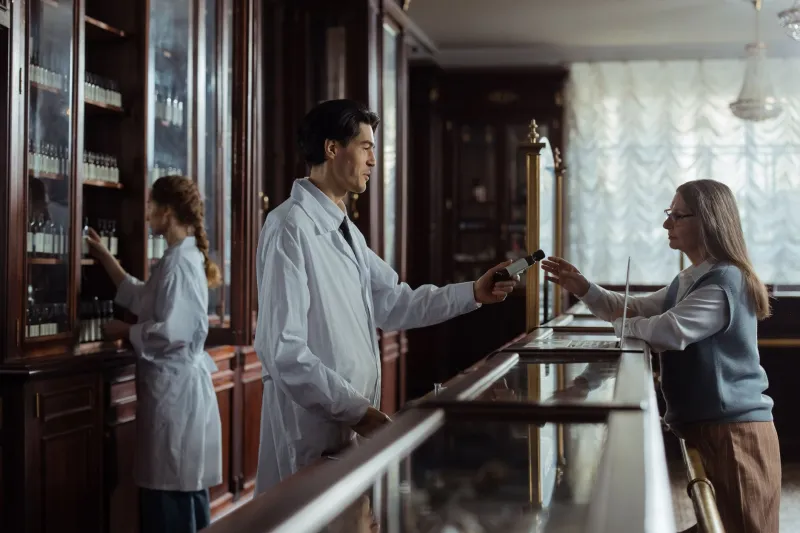
While Mexico's federal health authority, COFEPRIS, regulates drug safety and approvals, it does not mandate uniform retail prices across independent pharmacies. Chain pharmacies — Farmacias del Ahorro, Farmacias Guadalajara, and Benavides among the largest — maintain internal pricing standards and are generally more consistent. Independent boticas and smaller neighborhood pharmacies, however, have considerably more latitude. This flexibility creates an environment where the quoted price can reflect not just the cost of the medication, but the pharmacist's read of the customer in front of them.
Location compounds this further. A pharmacy situated two blocks from a border crossing or adjacent to a hotel popular with American visitors operates in a different commercial reality than one serving a residential neighborhood several miles inland. Foot traffic, customer demographics, and competitive pressure all shape what gets charged.
The Signals That Can Cost You Money
Experienced cross-border shoppers often describe a phenomenon that is uncomfortable to name directly: pharmacists in high-traffic tourist areas sometimes adjust their opening quote based on visible cues. Speaking only English, arriving in a rental car, wearing resort attire, or appearing uncertain and hurried can all signal that a customer is unlikely to comparison-shop or negotiate.
This is not universally true, and it would be unfair to characterize Mexican pharmacists broadly in this way. The majority of transactions are straightforward. But in specific contexts — particularly independent pharmacies in zones with heavy American foot traffic — pricing flexibility can work against the uninformed buyer.
Time of day matters as well. Pharmacies that see heavy tourist traffic in the morning hours may quote differently than the same establishment late in the afternoon when foot traffic has slowed and a sale is worth more to the staff on duty.
Pricing Benchmarks Worth Knowing Before You Go
The most effective defense against inflated pricing is arriving with concrete reference points. The following figures represent approximate retail prices at established Mexican chain pharmacies and should be treated as general benchmarks rather than guarantees, as prices shift with exchange rates and regional variation.
- Metformin 500mg (30 tablets): Approximately 25–50 Mexican pesos at chain pharmacies, equivalent to roughly $1.50–$3.00 USD at current exchange rates.
- Atorvastatin 20mg (30 tablets): Typically 80–150 pesos for a generic equivalent, or $5–$9 USD.
- Omeprazole 20mg (14 capsules): Commonly available for 30–60 pesos, or under $4 USD.
- Amoxicillin 500mg (12 capsules): Generally 40–80 pesos at chain locations.
- Insulin (human regular, 10ml vial): Prices vary more significantly here, but name-brand human insulin at major chains typically falls in the 150–300 peso range depending on formulation.
If a quote you receive at an independent pharmacy runs more than 30 to 40 percent above these figures, it is reasonable to ask questions or walk to a chain location for comparison.
How to Comparison-Shop Without Creating an Awkward Exchange
Asking to compare prices does not require confrontation. In practice, the most effective approach is simply to visit a chain pharmacy first and use that receipt or price memory as your anchor. Major chains display prices clearly, and their staff are accustomed to American customers.
If you are quoted a price at an independent pharmacy that seems high, a neutral and respectful response in any language goes a long way. Phrases like "I saw it for less nearby — is that the best price?" or simply "¿Tiene un precio mejor?" (Do you have a better price?) are not offensive. Independent pharmacies often have room to adjust, and many will do so rather than lose the sale.
It is also worth noting that loyalty discount cards — offered by Farmacias del Ahorro and similar chains — are available to anyone and provide meaningful reductions on certain medications. Asking for the tarjeta de descuento at the counter adds no cost and can reduce your total immediately.
The Role of Generic Medications in Closing the Gap Further
Even within Mexico's already affordable pricing structure, generics — called medicamentos genéricos intercambiables — represent a second tier of savings that many American visitors overlook. These are bioequivalent alternatives approved by COFEPRIS and sold under their chemical names rather than brand identifiers. A pharmacist at any reputable establishment can tell you whether a generic equivalent exists for what you are seeking.
For common chronic disease medications — antihypertensives, statins, oral diabetes drugs, and acid reducers — the generic option can reduce costs by 50 to 70 percent compared to the branded version already available at a fraction of US pricing. This is the tier at which many long-term cross-border health travelers operate.
What This Means for Your Overall Healthcare Budget
The difference between paying tourist prices and informed prices may seem modest on a single transaction — a few dollars here, perhaps ten or fifteen there. But for Americans who are traveling to Mexico specifically to manage ongoing prescription costs, those margins accumulate meaningfully over time. A chronic condition requiring three or four medications monthly can see annual savings that justify the trip many times over, but only if the pricing baseline is correct from the start.
Approaching Mexican pharmacies with the same informed consumer mindset you would bring to any significant purchase — knowing your benchmarks, asking questions, and being willing to compare — is not a sign of distrust. It is simply good practice, and it is the kind of practice that separates a one-time visitor from a genuinely informed cross-border healthcare consumer.
PharmMexico exists precisely to help American patients build that foundation of knowledge before they arrive at the counter.