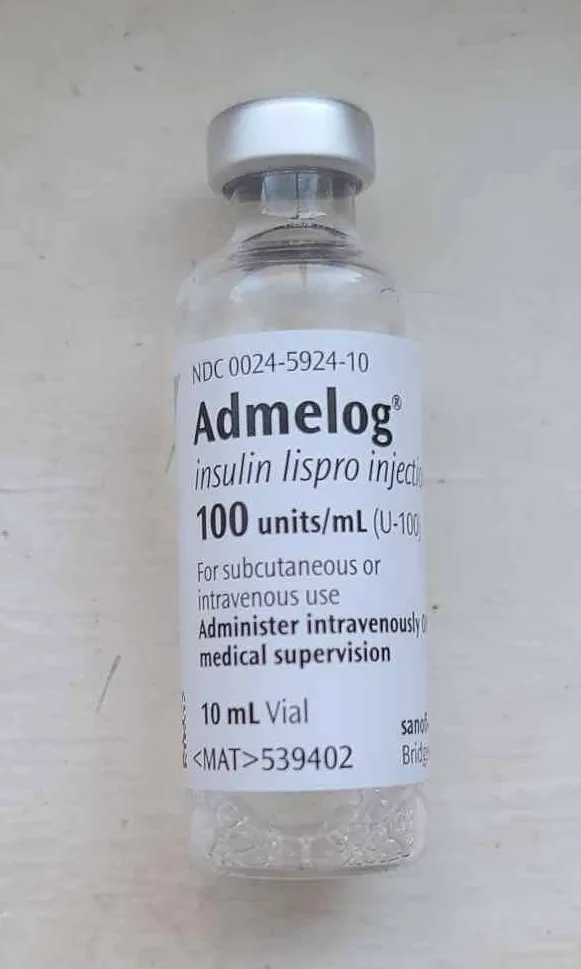
When $50,000 Treatments Become Reachable: The Rise of Biologic Medications at Mexican Pharmacies

Photo by Photo by Pharmacy Images on Unsplash on Unsplash
For millions of Americans, the word "biologic" carries a complicated emotional weight. On one hand, these medications — engineered from living cells to target specific pathways in the immune system or tumor microenvironment — represent some of the most significant therapeutic advances of the past three decades. On the other, their price tags in the United States have become almost synonymous with financial ruin. A single annual course of a monoclonal antibody therapy for rheumatoid arthritis can exceed $25,000. Certain immunotherapies used in oncology routinely surpass $100,000 per year. For patients without comprehensive insurance, or those whose coverage includes steep specialty tiers and prior authorization requirements, these figures are not merely inconvenient — they are prohibitive.
What is changing, however, is awareness. Across border communities and patient advocacy forums, a quiet conversation has been growing: Mexico's regulated pharmaceutical market offers access to many of the same biologic drug classes at prices that fundamentally reframe the financial calculus for American patients.
What Are Biologics, and Why Do They Cost So Much in the US?
Unlike traditional small-molecule drugs synthesized through chemical processes, biologics are large, complex molecules derived from biological sources — bacteria, yeast, mammalian cells, or even human tissue. They include monoclonal antibodies (such as adalimumab for arthritis and inflammatory bowel disease), fusion proteins, and a range of immunotherapy agents used in cancer treatment.
The manufacturing process is extraordinarily sophisticated and expensive, and pharmaceutical companies in the United States invest heavily in patent protection to recoup research and development costs. What distinguishes the US market, however, is not just the cost of innovation — it is the absence of the price negotiation mechanisms that exist in virtually every other developed nation. For decades, federal law prohibited Medicare from negotiating drug prices directly, and private insurers have had limited leverage against manufacturers of patented specialty medications. The result is a pricing environment that has no true ceiling.
Mexico operates differently. The government's health secretariat, COFEPRIS (Comisión Federal para la Protección contra Riesgos Sanitarios), regulates drug approvals and quality standards with increasing rigor, and public procurement systems allow the government to negotiate bulk pricing. Private pharmacies, in turn, operate in a more competitive retail environment that reflects those lower baseline costs.
The Biologic Landscape at Mexican Pharmacies and Clinics
Not all biologics are available over the counter in Mexico — and patients should not expect them to be. Many require a valid prescription issued by a licensed physician, and the most complex therapies, particularly intravenous infusion-based treatments, are administered in clinical settings rather than dispensed directly to consumers. That said, the infrastructure for accessing these medications is considerably more developed than many Americans realize.
Large pharmacy chains in cities such as Monterrey, Guadalajara, and Mexico City — many of which operate within blocks of major private hospitals — maintain specialty medication inventories that include biosimilars of well-known reference biologics. Biosimilars are the biologic equivalent of generic drugs: rigorously tested versions of an original biologic whose patent has expired, approved on the basis of demonstrated equivalence in safety and efficacy. The adalimumab biosimilar market, for instance, has expanded significantly in Mexico following the expiration of the original Humira patent, with multiple COFEPRIS-approved versions available at a fraction of US retail prices.
For patients managing rheumatoid arthritis, psoriatic arthritis, ankylosing spondylitis, or Crohn's disease, this development is particularly meaningful. The same molecule — or a clinically equivalent biosimilar — that costs upward of $2,000 per injection in the US can often be obtained in Mexico for $400 to $800, depending on the specific agent and dosage.
Conditions Most Commonly Addressed Through This Route
Patient communities report the highest volume of cross-border biologic access for the following conditions:
Rheumatoid Arthritis and Related Inflammatory Conditions: TNF-alpha inhibitors such as etanercept and adalimumab biosimilars are among the most frequently sought medications. Patients who have exhausted methotrexate and other conventional disease-modifying agents often find that the biologic tier is simply unaffordable in the US without exceptional insurance coverage.
Inflammatory Bowel Disease: Both Crohn's disease and ulcerative colitis patients have increasingly turned to Mexican specialty clinics, where gastroenterologists can prescribe and, in some cases, administer infliximab or vedolizumab biosimilars at dramatically reduced cost.
Oncology Support: While the most sophisticated cancer immunotherapies — such as checkpoint inhibitors — typically require administration in a licensed oncology center, some patients are consulting with Mexican oncologists to explore biosimilar options for supportive biologics, including certain colony-stimulating factors.
Navigating the Regulatory and Safety Landscape
COFEPRIS has substantially strengthened its oversight capacity in recent years, aligning many of its standards more closely with international frameworks established by the WHO and the European Medicines Agency. Biosimilars approved in Mexico undergo comparability studies and are subject to pharmacovigilance requirements. Patients and their US-based physicians should, however, approach this process with informed diligence.
Key practical considerations include:
- Consulting your US physician before traveling: Any biologic regimen requires medical supervision. Bringing documentation of your diagnosis, current treatment protocol, and lab work will facilitate continuity of care with a Mexican specialist.
- Verifying pharmacy credentials: Reputable pharmacies in Mexico display their COFEPRIS registration and operate transparently. Patients should avoid purchasing specialty biologics from informal vendors or unverified online sources.
- Understanding cold chain requirements: Many biologics require refrigerated storage during transport. Patients carrying medications across the US border should familiarize themselves with CBP (US Customs and Border Protection) guidelines on importing personal-use medications, particularly those requiring temperature control.
- Confirming biosimilar designations: Ask the dispensing pharmacist for the full product name, manufacturer, and COFEPRIS approval number. This information is critical for your US physician to assess interchangeability with your current regimen.
The Financial Reality for American Patients
Consider a patient in Texas managing moderate-to-severe Crohn's disease whose insurer has placed the prescribed biologic on a non-preferred specialty tier with a 30 percent coinsurance requirement after a $4,000 deductible. At US list prices, annual out-of-pocket costs could approach $10,000 or more — and that assumes no prior authorization denial. The same patient, traveling to a private clinic in Monterrey (a three-hour drive from San Antonio), might access a COFEPRIS-approved biosimilar and a specialist consultation for a fraction of that figure.
For those in the Pacific Southwest, the calculus is even more direct. Tijuana and Mexicali are home to established specialty pharmacies and private hospitals with international patient services designed, in part, to serve exactly this demographic.
A Considered Path Forward
Accessing biologic medications through Mexican pharmacies and clinics is not a casual undertaking. These are complex, powerful therapies that demand proper diagnosis, dosing precision, and ongoing monitoring. What the Mexican pharmaceutical market offers is not a workaround — it is an alternative system of access, one that is regulated, increasingly sophisticated, and meaningfully more affordable for American patients navigating a domestic pricing environment that has left many behind.
For patients willing to invest in research, seek qualified medical guidance on both sides of the border, and approach the process systematically, the door to life-changing treatment may be considerably closer — and more affordable — than previously imagined.