Specialized Care Without the Wait: A Guide to Mexico's Chronic Disease Clinics for American Patients
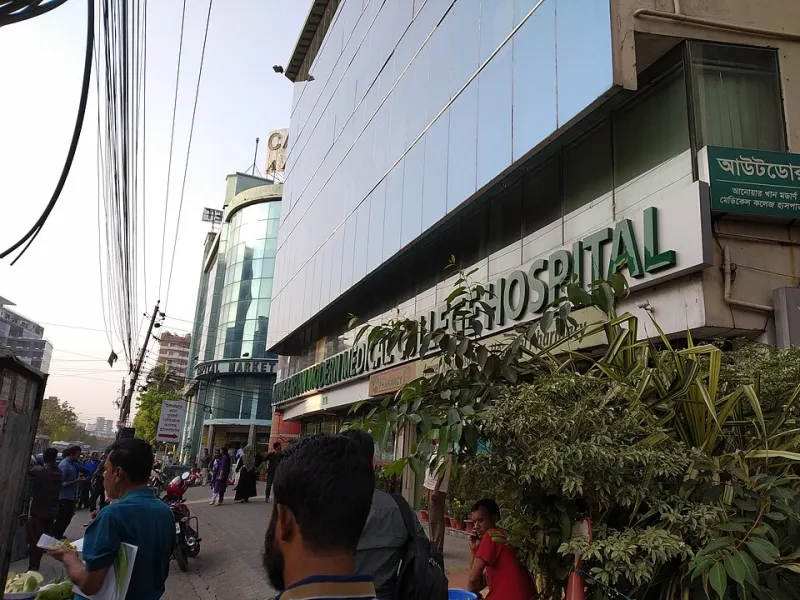
Photo: Ahmed.neelaav, CC BY-SA 3.0, via Wikimedia Commons
When most Americans think about seeking medical care in Mexico, the mental image tends to involve a border pharmacy or a dental office. What this picture misses is the sophisticated tier of specialized medical infrastructure that has developed in Mexican cities over the past two decades — facilities that are quietly attracting American patients with complex, chronic health conditions who are seeking comprehensive management rather than a simple medication purchase.
At PharmMexico, we believe informed patients make better decisions. This guide is designed to help American readers understand what Mexico's specialty clinic landscape actually looks like, which conditions these facilities are particularly well-equipped to address, and how to approach the process of identifying and vetting a provider.
The Evolution of Medical Specialization in Mexico
Mexico's healthcare system is more stratified than many Americans realize. Alongside the public IMSS and ISSSTE systems — which serve enrolled workers and government employees — a robust private healthcare sector has grown significantly. Major cities including Mexico City, Guadalajara, Monterrey, and Tijuana are home to private hospitals and specialty clinics that recruit physicians trained in the United States, Europe, and at Mexico's own elite medical institutions.
Many of these specialists hold dual board certifications, are members of international medical societies, and publish in peer-reviewed journals. The clinical environment in which they practice, while operating under Mexican regulatory oversight through COFEPRIS and the General Health Law, is often structured around internationally recognized diagnostic and treatment protocols.
For American patients, this translates to a meaningful opportunity: access to specialist-level care, often with shorter wait times and substantially lower costs than comparable services in the United States.
Cardiology: Heart Care Across the Border
Cardiovascular disease remains the leading cause of death in the United States, and the costs of managing it — stress testing, echocardiography, catheterization, electrophysiology consultations, and long-term medication management — can be staggering for patients with high-deductible insurance plans or no coverage at all.
Mexican cardiology centers in cities like Monterrey and Mexico City offer the full spectrum of diagnostic and interventional services. Echocardiograms that might cost $1,500 to $3,000 in a U.S. hospital system are frequently available for $150 to $400. Holter monitoring, stress testing, and coronary CT angiography follow similar pricing patterns.
For patients managing heart failure, arrhythmias, or post-myocardial infarction recovery, establishing a relationship with a Mexican cardiologist for ongoing monitoring — supplemented by telemedicine follow-up — has become a practical model for cost containment without sacrificing clinical rigor.
Endocrinology: Beyond Insulin, Toward Comprehensive Metabolic Care
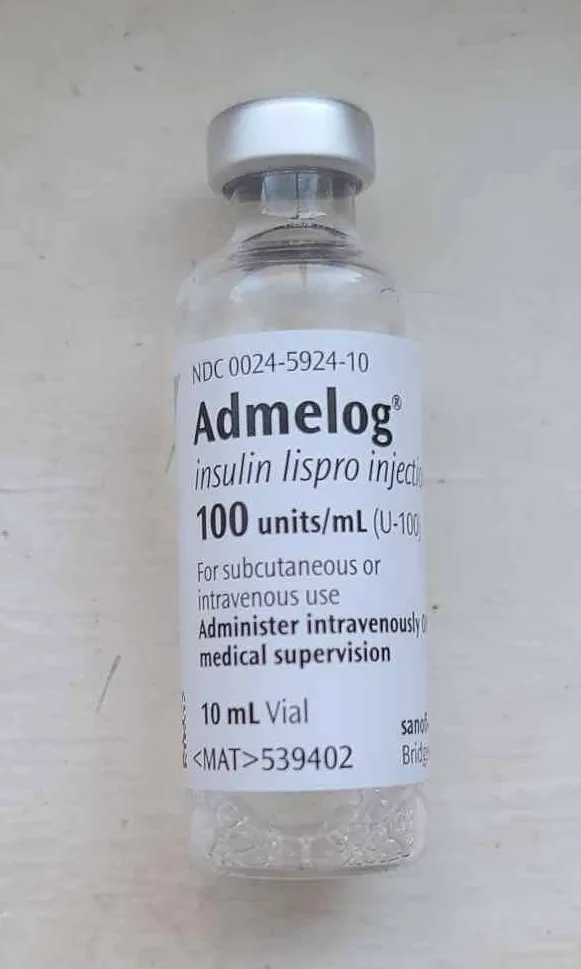
While insulin access in Mexico draws significant attention (and rightly so), the endocrinology specialty clinics available to American patients offer something more expansive: integrated metabolic management. Patients dealing with Type 1 or Type 2 diabetes, thyroid disorders, adrenal conditions, polycystic ovarian syndrome, or growth hormone deficiencies can access specialist-level care that includes laboratory diagnostics, imaging, and prescription management.
Some endocrinology practices in Mexico now incorporate continuous glucose monitoring interpretation, insulin pump management, and diabetes education programs delivered in English. For American patients who have struggled to access endocrinology care domestically due to long wait times — specialist shortages mean waits of three to six months are common in many U.S. regions — the ability to schedule a consultation in Mexico within days can be clinically significant.
Rheumatology: Managing Autoimmune Conditions Affordably
Rheumatologic conditions — including rheumatoid arthritis, lupus, ankylosing spondylitis, and psoriatic arthritis — often require expensive biologic medications and regular specialist monitoring. In the United States, biologic therapies can cost tens of thousands of dollars annually, and rheumatology consultations are among the most difficult specialist appointments to secure.
Mexican rheumatology clinics, particularly in larger urban centers, are equipped to manage these conditions comprehensively. Biologics and biosimilars approved by COFEPRIS are available at dramatically reduced prices relative to U.S. list prices. Patients who establish care with a Mexican rheumatologist can often access infusion services, joint injections, and laboratory monitoring within a coordinated care framework.
Oncology: A Nuanced Conversation
Oncology is perhaps the specialty where careful evaluation is most critical, and where the stakes of choosing the right facility are highest. Mexico does have accredited cancer centers with experienced oncologists, particularly in Mexico City and Guadalajara, and some American patients have sought second opinions, specific chemotherapy regimens, or radiation treatment in these settings.
However, PharmMexico urges particular diligence in this area. Oncologic care requires seamless coordination between surgery, medical oncology, radiation oncology, pathology, and imaging. Patients considering Mexican oncology facilities should prioritize centers with demonstrable accreditation, verifiable clinical outcomes data, and physicians with documented training at recognized institutions. This is not a space for cost savings to be the primary decision driver — quality and continuity of care must come first.
A Framework for Vetting Any Specialty Clinic
Regardless of specialty, American patients evaluating Mexican medical facilities should apply a consistent due-diligence framework:
Verify physician credentials. Ask for the physician's medical school, residency, fellowship training, and any board certifications. Many Mexican specialists trained at U.S. or European institutions and will readily share this information.
Assess facility accreditation. The General Health Council of Mexico (Consejo de Salubridad General) accredits hospitals and some specialty facilities. Some private hospitals also hold Joint Commission International (JCI) accreditation, which applies international quality standards.
Request English-language communication. In major cities and facilities accustomed to international patients, English-speaking staff and physicians are common. Confirm this before scheduling.
Understand continuity of care. Ask how the clinic handles follow-up, record sharing, and communication with your U.S.-based providers. Quality facilities will have established protocols for sending records and coordinating with referring physicians.
Evaluate telemedicine integration. Many forward-thinking Mexican specialty clinics now offer telemedicine follow-up visits, allowing American patients to maintain an ongoing relationship with their Mexican specialist without returning for every routine check-in. This hybrid model — initial in-person consultation in Mexico, ongoing virtual follow-up — represents one of the most practical frameworks for sustainable cross-border chronic disease management.
The Role of Telemedicine in Extending Specialty Access
It would be incomplete to discuss Mexico's specialty clinic landscape without acknowledging the role that digital health infrastructure plays in making cross-border care practical. The growth of licensed telemedicine platforms operating from Mexico has extended the reach of Mexican specialists well beyond geographic proximity to the border.
American patients in states far from a border crossing can now initiate care with a Mexican endocrinologist, cardiologist, or rheumatologist via video consultation, receive a prescription for medications that can be shipped through licensed international pharmacy channels, and maintain ongoing monitoring through digital communication — all without boarding a plane.
This convergence of physical specialty clinics and telemedicine infrastructure is reshaping what cross-border healthcare means in practical terms. It is no longer exclusively a story about border towns and pharmacy runs. It is becoming a story about a distributed, accessible network of specialized medical expertise that American patients with chronic conditions are increasingly able to tap into on their own terms.
PharmMexico will continue to track this evolution and provide the information American patients need to navigate it safely and effectively.