The Person Behind the Counter: How to Verify Pharmacy Staff Credentials in Mexico Before Taking Their Advice
A White Coat Does Not Always Mean a License
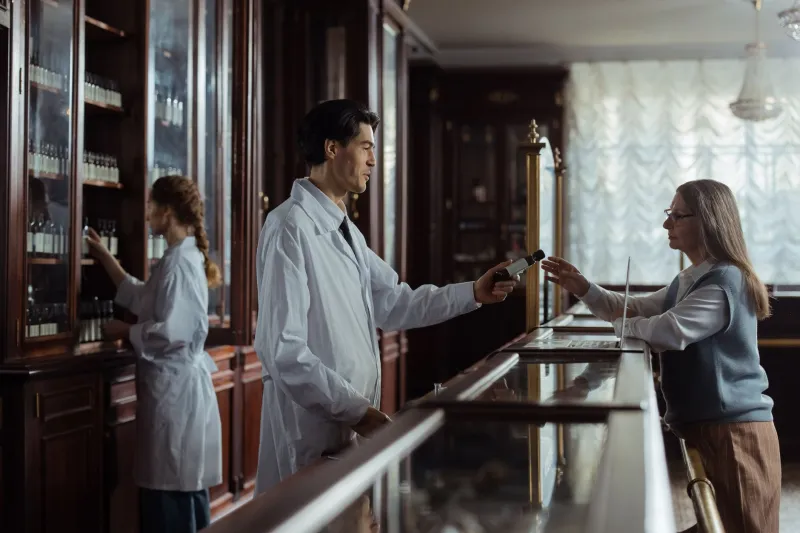
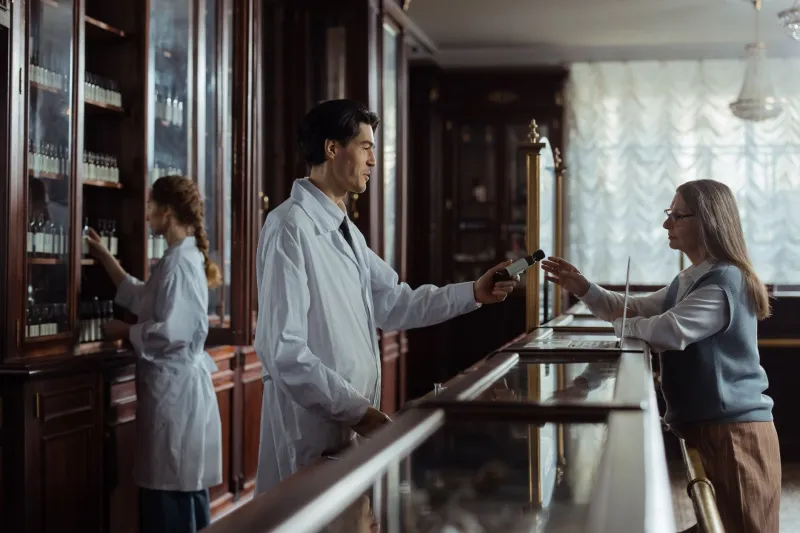
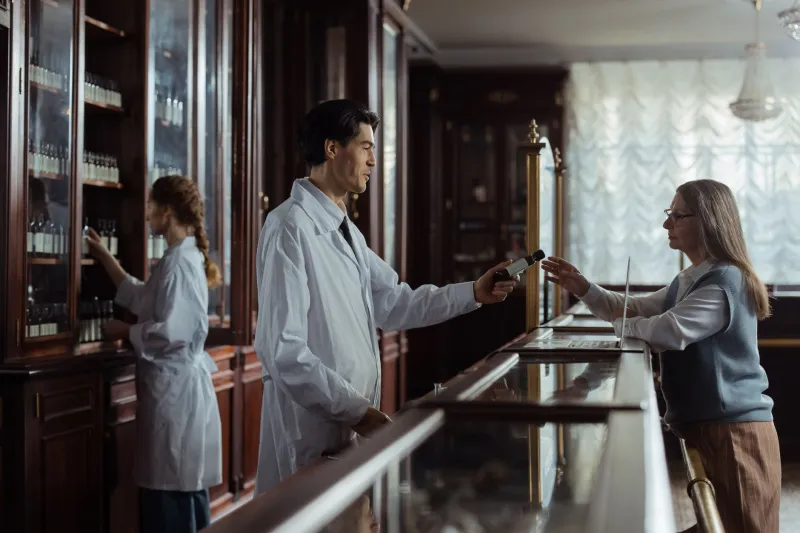
For many Americans crossing into Mexico to fill a prescription or explore medication options, the pharmacy counter feels like neutral territory — a familiar setting with recognizable brand names and staff who appear professional. What is less immediately apparent is that the person offering guidance on dosing, interactions, or therapeutic alternatives may hold credentials ranging from a university-trained clinical pharmacist to an entry-level sales associate with a few weeks of on-the-job orientation.
This is not unique to Mexico. Pharmacy staffing variability exists across the United States as well. But American patients accustomed to the regulatory scaffolding of domestic pharmacies — where a licensed pharmacist must be physically present and legally accountable for dispensing decisions — may not recognize that those same guarantees do not automatically apply south of the border. Understanding the staffing structure at Mexican pharmacies is, therefore, not a matter of skepticism toward Mexican healthcare. It is a matter of being an informed patient wherever you seek care.
Three Tiers of Pharmacy Personnel in Mexico
Mexican pharmacy staffing generally falls into three categories, each with meaningfully different levels of training.
Licensed Pharmacists (Químico Farmacéutico Biólogo or QFB): These are university-educated professionals who have completed a five-year undergraduate degree in pharmaceutical sciences, followed by mandatory social service requirements and licensure through Mexico's Secretaría de Educación Pública. A QFB is trained in pharmacokinetics, drug interactions, clinical therapeutics, and patient counseling. In a well-run pharmacy, this is the individual who should be reviewing your medications and answering clinical questions.
Pharmacy Technicians (Técnico en Farmacia): Technicians typically complete a two-year technical program through a vocational institution. Their training covers dispensing procedures, inventory management, and basic product knowledge, but it does not include the depth of clinical pharmacology that a QFB receives. Technicians are qualified to assist with routine dispensing tasks under the supervision of a licensed pharmacist.
Sales Associates (Dependientes or Vendedores): A significant portion of pharmacy floor staff in Mexico — particularly in high-volume chain pharmacies in tourist corridors and border towns — are sales associates whose primary function is customer service and retail transactions. Their pharmaceutical knowledge is typically limited to what they have absorbed informally on the job. These individuals may wear uniforms indistinguishable from those of licensed staff, and they are often the first point of contact for patients walking through the door.
The challenge for American patients is that visual cues alone will not reliably distinguish one tier from another.
Questions Worth Asking Before Accepting a Recommendation
The most direct way to assess the qualifications of the person advising you is simply to ask. This may feel awkward, but it is entirely appropriate — and a genuinely qualified professional will not be offended by the inquiry.
Consider posing the following:
- ¿Es usted farmacéutico titulado? (Are you a licensed pharmacist?)
- ¿Hay un QFB disponible para consulta? (Is there a QFB available for a consultation?)
- ¿Puede revisar mis otros medicamentos antes de recomendarme este? (Can you review my other medications before recommending this one?)
If the staff member deflects, cannot answer clearly, or immediately pivots to a product recommendation without asking about your medical history or current medications, treat that as meaningful information.
Larger chain pharmacies — particularly Farmacias del Ahorro, Farmacia Guadalajara, and Benavides — are more likely to have a licensed QFB on premises during operating hours and may even offer in-store consultation services. Smaller independent pharmacies and those operating inside convenience stores or market stalls carry a higher risk of relying exclusively on sales associates for customer-facing interactions.
Red Flags That Suggest Commission-Driven Guidance
Not all problematic advice comes from unqualified staff. Even knowledgeable personnel can be influenced by commercial incentives. Some Mexican pharmacies operate on sales-based compensation models, meaning that staff may have a financial motivation to recommend higher-margin products, branded medications over generics, or supplements and ancillary items that were not part of your original inquiry.
Watch for these patterns:
Unsolicited upselling: If a staff member consistently steers you toward products you did not request — vitamins, topical treatments, combination products — without a clear clinical rationale tied to your stated condition, the recommendation may be commercially rather than therapeutically motivated.
Minimizing your existing prescription: A qualified pharmacist should respect a valid prescription from your US-based physician. If a staff member dismisses or significantly modifies your doctor's recommendation without a substantive clinical explanation, that is a concern.
Vague answers to direct questions: Qualified professionals can explain why they are recommending a particular product, what its mechanism of action is, and how it interacts with other medications. Evasive or overly general answers to these questions suggest limited clinical knowledge.
Pressure to purchase immediately: Legitimate pharmaceutical counseling does not involve urgency tactics. If you feel pressured to make a decision before you are comfortable, you are not obligated to proceed.
How to Build a Safer Pharmacy Relationship in Mexico
Americans who use Mexican pharmacies regularly — whether for ongoing chronic disease management, short-term travel needs, or cost-driven prescription refills — benefit considerably from identifying a single pharmacy with a reliable, licensed pharmacist on staff and establishing a consistent relationship with that individual.
Bringing a complete and current medication list on every visit is essential. This gives any qualified staff member the information they need to check for interactions and contraindications. It also signals to the pharmacy that you are an engaged patient who takes your own healthcare seriously, which tends to elicit more careful attention.
If you are managing a complex condition — diabetes, cardiovascular disease, autoimmune disorders — and you intend to seek pharmaceutical guidance in Mexico rather than simply filling a known prescription, consider scheduling a formal consultation with a Mexican physician prior to visiting the pharmacy. That clinical layer adds accountability and ensures that any medication changes are made with appropriate oversight.
The Takeaway for American Patients
Mexico's pharmaceutical sector includes genuinely well-trained, highly professional pharmacists who provide excellent patient care at a fraction of what equivalent services cost in the United States. That is a real and valuable resource. But it exists alongside a staffing landscape that is more variable than most American patients expect, and navigating that variability requires a degree of active engagement that is not always intuitive.
Asking credentials, recognizing commercial incentives, and knowing which questions to ask are not signs of distrust — they are the habits of a patient who takes their own health seriously. The same discernment that serves you well at home serves you equally well at a pharmacy counter in Tijuana, Monterrey, or Mexico City.