Lost in Translation at the Pharmacy Counter: A Practical Guide to Reading Spanish Medication Labels and Instructions
When the Savings Are Clear but the Label Is Not
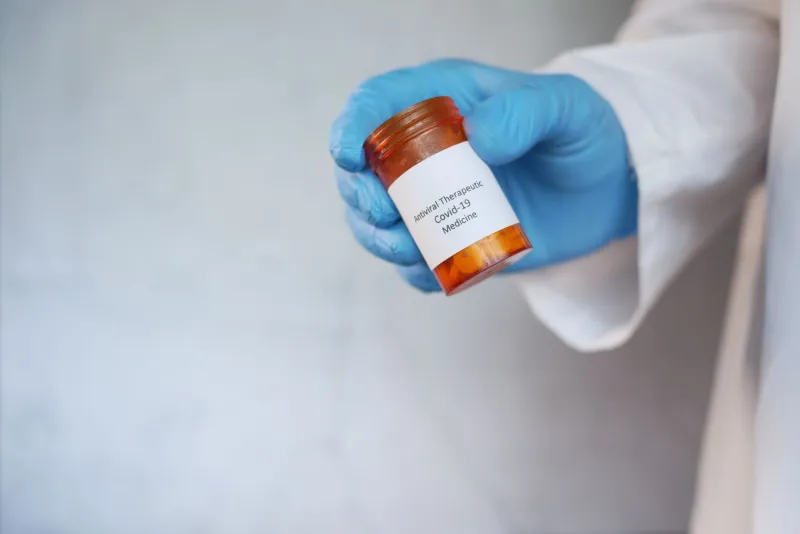
For millions of Americans who cross into Mexico to fill prescriptions, the financial relief is immediate and tangible. A medication that costs $300 at a US pharmacy may be available for $40 or less at a Mexican farmacia. Yet once the transaction is complete and the box is in hand, a different kind of uncertainty can set in — one that has nothing to do with the drug itself and everything to do with the language printed on its packaging.
Spanish-language medication labels, pharmacy receipts, and printed inserts are standard throughout Mexico. For patients who do not read Spanish fluently, interpreting dosage instructions, frequency notations, and warning statements can feel like decoding a foreign document under pressure. The stakes, of course, are higher than with most translation challenges. Taking a medication incorrectly — too often, too infrequently, or alongside something it should not be combined with — carries genuine health risks.
This guide is designed to bridge that gap. Whether you are purchasing a maintenance medication, an antibiotic, or a treatment for a chronic condition, the terminology below will help you interpret what your Mexican pharmacy label is actually telling you.
Decoding the Pharmacy Receipt: What Each Line Means
Mexican pharmacy receipts, known as recibos or tickets de compra, typically list the medication's brand or generic name, the concentration or strength, the quantity dispensed, and the price. Here is what you are likely to encounter:
- Nombre del medicamento — Name of the medication
- Presentación — The form of the medication (tablet, capsule, liquid, injectable, cream, etc.)
- Concentración — Strength or dosage per unit (e.g., 500 mg, 10 mg/5 mL)
- Cantidad — Quantity dispensed
- Precio unitario / Precio total — Unit price and total price
- Lote — Lot number (useful if a recall is ever issued)
- Fecha de caducidad — Expiration date
Some receipts will also include a brief notation of the prescribing physician's instructions if the pharmacist has transcribed them. These notes are where dosage abbreviations most frequently appear.
Common Dosage Abbreviations on Mexican Labels
Mexican pharmaceutical abbreviations largely derive from Latin roots — the same tradition that shaped English-language pharmacy shorthand. Many will look familiar once you understand the pattern:
| Abbreviation | Spanish Term | English Meaning |
|---|---|---|
| c/8h | Cada 8 horas | Every 8 hours |
| c/12h | Cada 12 horas | Every 12 hours |
| c/24h | Cada 24 horas | Once daily |
| 1 tab | 1 tableta | 1 tablet |
| 1 cáp | 1 cápsula | 1 capsule |
| a.c. | Antes de comer | Before meals |
| p.c. | Después de comer / Post comer | After meals |
| v.o. | Vía oral | By mouth (oral route) |
| s.l. | Sublingual | Under the tongue |
| i.m. | Intramuscular | Intramuscular injection |
| i.v. | Intravenosa | Intravenous |
| PRN / s.n. | Según necesidad | As needed |
| q.d. | Cada día | Once daily |
| b.i.d. | Dos veces al día | Twice daily |
| t.i.d. | Tres veces al día | Three times daily |
| q.i.d. | Cuatro veces al día | Four times daily |
| hs | Al acostarse | At bedtime |
| mL | Mililitros | Milliliters |
| mg | Miligramos | Milligrams |
| g | Gramos | Grams |
A typical instruction on a Mexican label might read: "1 tab v.o. c/8h p.c. por 7 días." Translated: Take one tablet by mouth every 8 hours after meals for 7 days. Once you recognize the pattern, most instructions become straightforward.
Reading Warning Labels and Precautionary Statements
Mexican pharmaceutical packaging is regulated by COFEPRIS (Comisión Federal para la Protección contra Riesgos Sanitarios), Mexico's equivalent of the US Food and Drug Administration. Required warning labels appear as colored bands or printed notices on the box. Key phrases to recognize include:
- "Venta con receta médica" — Requires a prescription. If you see this and purchased without one, verify with your physician before use.
- "No se deje al alcance de los niños" — Keep out of reach of children.
- "Consérvese en lugar fresco y seco" — Store in a cool, dry place.
- "Consérvese en refrigeración" — Refrigerate (typically 2–8°C / 36–46°F).
- "No se use durante el embarazo" — Do not use during pregnancy.
- "Puede causar somnolencia" — May cause drowsiness.
- "No maneje ni opere maquinaria pesada" — Do not drive or operate heavy machinery.
- "Evitar la exposición solar" — Avoid sun exposure.
- "No mezclar con alcohol" — Do not combine with alcohol.
- "Suspender su uso si presenta reacciones adversas" — Discontinue use if adverse reactions occur.
Medications classified as controlled substances in Mexico carry a distinctive colored stripe across the top of the packaging — red for the most restricted, orange for moderately controlled substances. These designations are worth noting if you are transporting medications across the border, as US Customs regulations apply upon re-entry.
Understanding the Drug Insert (Prospecto)
Most Mexican medications include a folded paper insert called a prospecto or instructivo. This document is the Mexican equivalent of the US "package insert" and contains comprehensive information about the drug. Key sections include:
- Indicaciones terapéuticas — Therapeutic indications (what the drug treats)
- Contraindicaciones — Contraindications (when the drug should not be used)
- Reacciones adversas — Adverse reactions (side effects)
- Interacciones medicamentosas — Drug interactions
- Posología y vía de administración — Dosage and route of administration
- Sobredosificación — Overdose information
- Precauciones y advertencias — Precautions and warnings
If you are managing a complex medication regimen, photographing the prospecto and using a translation app — or sharing it with your US physician — is a practical step toward ensuring continuity of care.
Practical Tips for American Patients at Mexican Pharmacies
Beyond decoding the label itself, a few habits can significantly reduce the risk of confusion:
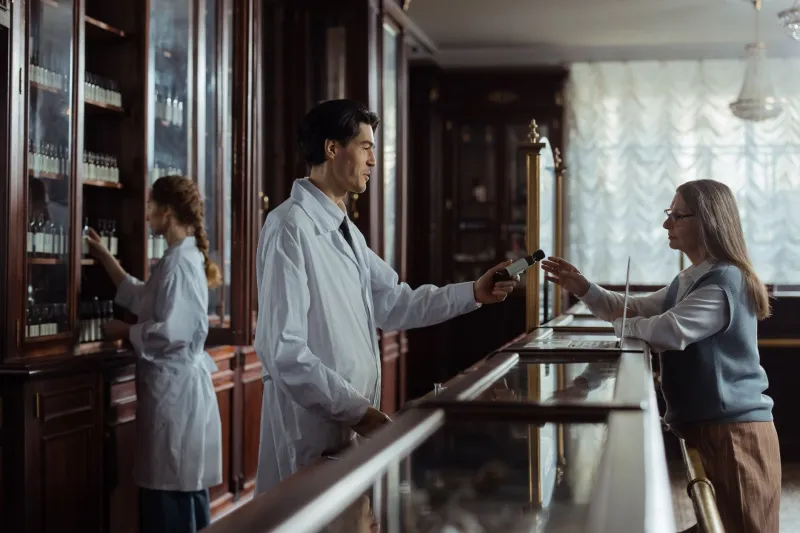
Ask the pharmacist directly. Many pharmacists at Mexican farmacias, particularly in border cities and tourist areas, speak conversational English. Asking "¿Puede explicarme la dosis?" (Can you explain the dosage?) is almost always welcomed.
Request written instructions. If a pharmacist provides verbal guidance, ask them to write the dosage schedule on the bag or receipt. A simple written note eliminates ambiguity.
Cross-reference with your US prescription. If you are purchasing the same medication you take at home, your US prescription label serves as a reliable reference point for dosage and frequency.
Use verified translation tools. Applications such as Google Translate's camera function can render Spanish text into English in real time. While not perfect for nuanced medical language, they are highly effective for standard pharmaceutical instructions.
Consult your US physician before making changes. If the Mexican packaging lists a different dosage than what you were prescribed in the United States, do not self-adjust. Contact your physician to clarify before you begin the course.
The Label Is a Safety Document, Not Just a Formality
Medication labels exist for one reason: to protect the patient. Whether that label is printed in English or Spanish, the information it contains is essential to safe use. American patients who approach their Mexican pharmacy purchases with the same diligence they apply at home — reading carefully, asking questions, and verifying instructions — will find that the language barrier, while real, is entirely manageable.
At PharmMexico, our commitment is to ensure that cost savings never come at the expense of safety. Understanding what your medication label says is the first, most fundamental step in that direction.