Settled In, Not Just Passing Through: How American Expats in Mexico Have Quietly Solved Their Healthcare Problem

For most Americans, the phrase "healthcare in Mexico" conjures a specific image: a border-town pharmacy run, a quick dental appointment, perhaps a one-time consultation with an English-speaking physician. What that image misses entirely is the quieter, more deliberate reality lived by hundreds of thousands of American expats who have relocated to cities like Guadalajara, Mérida, San Miguel de Allende, and Puerto Vallarta. For these long-term residents, Mexican healthcare is not a workaround — it is simply the system they rely on, day after day, year after year.
The distinction matters. A medical tourist optimizes for a single transaction. An expat optimizes for a life.
From Visitor to Patient: The Shift in Perspective
Carol Whitmore, a retired teacher from Ohio who relocated to Oaxaca in 2019, describes the transition plainly. "The first year, I was still thinking like an American," she says. "I was comparing everything to what I had back home, trying to find the equivalent. By the second year, I stopped doing that. I found a pharmacist I trusted, a general practitioner two blocks away, and a cardiologist at a private clinic downtown. Now I just have a doctor. It's that simple."
That simplicity, she acknowledges, did not arrive without effort. It required learning enough Spanish to communicate symptoms accurately, understanding how Mexican pharmacy classifications work, and accepting that the system operates on different assumptions than the one she grew up with. But the payoff, she says, has been substantial — both financially and in terms of the quality of attention she receives.
This experience is echoed across expat communities throughout Mexico. What emerges from conversations with long-term American residents is a consistent pattern: those who invest in relationship-building with local healthcare providers end up with something that feels, paradoxically, more like the American healthcare ideal than anything they experienced in the United States itself.
The Pharmacist as Primary Relationship
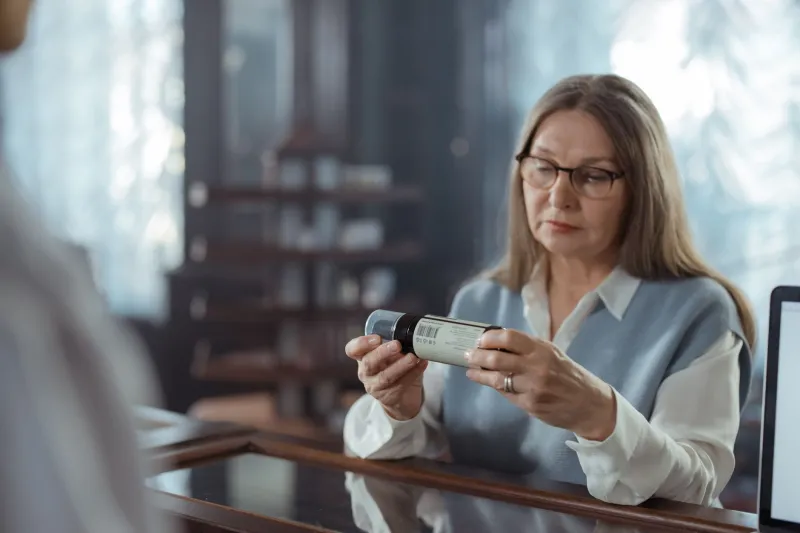
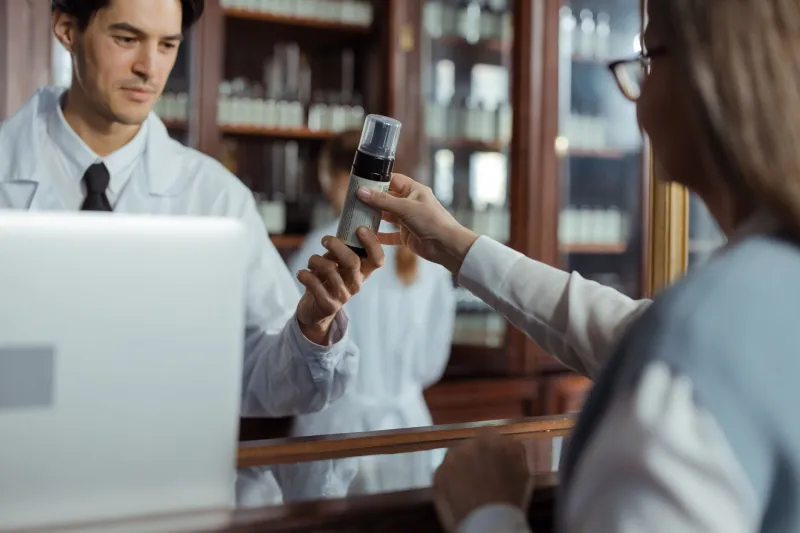
In Mexico, the neighborhood pharmacy — whether a branch of a major chain like Farmacias Guadalajara or a smaller independent botica — often functions as a first point of healthcare contact. Licensed pharmacists are trained to advise on a broader range of conditions than their American counterparts are typically permitted to address, and many expats have come to rely on these professionals as a consistent, accessible resource.
Robert Haines, a software consultant from Austin who has lived in Guadalajara for six years, explains how this relationship developed for him. "I started going to the same pharmacy near my apartment out of convenience. After a while, the pharmacist knew my name, knew my medications, knew my history. When I came in once with what I thought was a sinus infection, he looked at me, asked a few questions, and told me to see a doctor first before he recommended anything. He was right — it turned out to be something that needed a proper antibiotic course."
This kind of continuity is difficult to replicate in a system where patients rarely see the same provider twice. For expats managing chronic conditions — hypertension, diabetes, hypothyroidism, anxiety disorders — having a pharmacist who recognizes you and tracks your medication history over time provides a layer of safety that is easy to undervalue until it is absent.
From a cost perspective, the advantages are equally significant. Monthly medication regimens that would cost American patients hundreds of dollars under insurance — and potentially thousands without it — are routinely available in Mexico for a fraction of the price. Expats managing multiple prescriptions frequently report saving between $300 and $800 per month compared to what they paid before relocating, even after accounting for the occasional specialist visit paid out of pocket.
Building a Specialist Network Over Time
Beyond the pharmacy counter, experienced expats describe a deliberate process of identifying and cultivating relationships with specialists who meet their standards for both competence and communication. Many Mexican physicians who practice in major expat hubs hold credentials from respected institutions and have received training in the United States or Europe. English fluency, while not universal, is common enough in private practice settings that language barriers are manageable.
Susan and David Marlowe, a retired couple from Florida who settled in San Miguel de Allende four years ago, have assembled what they describe as a complete care team. "We have our GP, a cardiologist for David, a rheumatologist for me, and a dentist we love," Susan explains. "We see each of them once or twice a year for routine follow-ups, and they all have our records. It took us about eighteen months to get there, but now it functions exactly like a proper healthcare system should."
The Marlowes pay for a supplemental international health insurance policy that covers hospitalization and major procedures, while handling routine care and prescriptions directly out of pocket. This hybrid approach, they note, costs them significantly less per year than David's Medicare supplemental premiums alone did when they lived in Florida — while providing broader access and shorter wait times for specialist appointments.
What Short-Term Visitors Don't See
The advantages that expats accumulate over years of residency are largely invisible to Americans who cross the border for a single medical errand. A one-time pharmacy visit yields a transaction. A year of consistent patronage yields a relationship. A trusted referral to a specialist comes not from a website but from a pharmacist who has watched you manage your health over time.
This relational infrastructure also creates informal safety nets that are difficult to quantify. Expats in established communities share recommendations, warn each other about clinics that have disappointed them, and collectively build institutional knowledge about the local healthcare landscape. Online forums and local expat associations in cities like Mérida and Puerto Vallarta maintain running lists of vetted providers — resources that function as crowd-sourced patient advocacy.
For Americans still weighing whether the Mexican healthcare system can truly serve their long-term needs, the testimony of those already living within it offers a compelling counterpoint to the skepticism that often dominates the conversation back home. The system is not perfect. Wait times at public IMSS facilities can be lengthy, and quality varies considerably by region. But within the private sector, and particularly for those who approach it with patience and intentionality, the results speak for themselves.
A Different Kind of Healthcare Freedom
What the expat experience ultimately reveals is that affordable healthcare is not merely a function of lower prices — it is a function of access, continuity, and trust. Mexico offers all three to those willing to invest in building them.
For Americans still navigating the frustrations of high premiums, narrow networks, and perpetual uncertainty about what their insurance will or will not cover, that combination represents something genuinely rare: a healthcare routine that works, sustained over years, without financial catastrophe lurking at the edges.
The pharmacy without borders, it turns out, is not just a place to fill a prescription. For those who have made Mexico home, it is the foundation of something that looks a great deal like healthcare security.