Chain Pharmacies vs. Corner Boticas: A Practical Breakdown for American Patients Shopping in Mexico
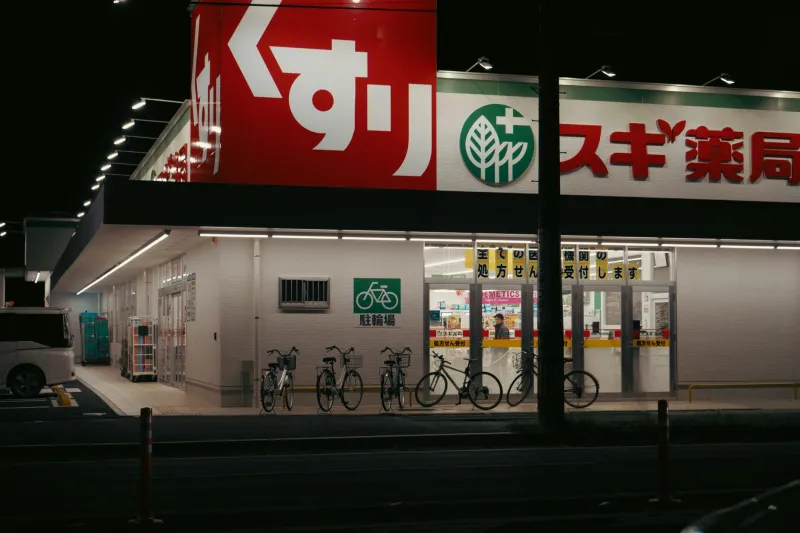
For many Americans crossing into Mexico in search of affordable medications, the first instinct is to walk into the largest, most recognizable pharmacy in sight. The brightly lit storefronts of national chains feel familiar — orderly, staffed, and stocked. But down the street, a smaller independent botica may be offering the same medication at a lower price, with a pharmacist who has been dispensing in that neighborhood for twenty years. Knowing which option serves your needs best requires understanding how each model actually operates.
The Landscape: Who Are the Major Players?
Mexico's retail pharmacy sector is dominated by several large national and regional chains. Farmacia del Dr. Simi is among the most visible, recognizable by its costumed mascot and an explicit commitment to low-cost generics. Farmacias Benavides, now operating under the Nadro group, has a long history in northern Mexico and maintains a strong presence in border cities — precisely the locations most frequented by American patients. Farmacias Guadalajara operates an expansive network across the country, often anchoring shopping centers with a broad inventory that extends well beyond pharmaceuticals.
Independent boticas, by contrast, are privately owned neighborhood pharmacies. Some are single-location operations; others are small regional clusters with two or three storefronts. They lack the corporate infrastructure of the chains but often compensate with deep community ties and specialized knowledge.
Pricing Strategies: Where the Real Differences Emerge
On pricing, the picture is more nuanced than most Americans expect. Large chains use their purchasing volume to negotiate favorable terms with distributors, and many operate their own private-label generic lines — a strategy that drives prices down on common medications like statins, antihypertensives, and metformin-class diabetes drugs. Dr. Simi's entire brand identity is built around this model, and for high-volume generic medications, the savings are genuine and consistent.
However, independent boticas are not automatically more expensive. Many purchase through cooperative buying groups that grant them competitive wholesale pricing. On branded medications — particularly those manufactured by multinational companies — the price gap between chains and independents can be negligible. Where independents sometimes hold an advantage is in flexibility: some are willing to negotiate on quantity purchases or offer informal loyalty arrangements to patients who return regularly.
For Americans filling prescriptions for specialty or less common medications, the calculus shifts again. Large chains carry deeper inventory on high-turnover drugs, but a well-connected independent pharmacist may be able to source a less common medication through a trusted distributor within 24 to 48 hours — sometimes faster than a chain can pull from a regional warehouse.
Staff Expertise: Credentials and Consultation Quality
One of the most consistent advantages of established pharmacy chains is standardized staff training. Major chains typically require that at least one licensed pharmacist (Químico Farmacéutico Biólogo, or QFB) be present during operating hours, and many have invested in continuing education programs for their staff. For American patients who arrive with a complex medication list or questions about drug interactions, this institutional structure provides a baseline of reliability.
That said, independent boticas can offer a qualitatively different kind of expertise. A pharmacist who has owned and operated the same corner pharmacy for fifteen years often possesses a depth of practical clinical knowledge that no corporate training manual replicates. These practitioners frequently serve as de facto primary care consultants for their communities, and they are accustomed to patients presenting with complicated questions. The key variable is individual quality — a great independent pharmacist is exceptional, but an understaffed one may leave patients with insufficient guidance.
American patients should always ask, regardless of pharmacy type, whether a licensed QFB is available for consultation. This is a reasonable and appropriate question in any Mexican pharmacy setting.
Medication Availability and Inventory Reliability
For travelers or short-term visitors, chain pharmacies offer a practical advantage: predictability. A Farmacias Guadalajara in Guadalajara and one in Monterrey will carry largely the same core inventory. This consistency is valuable when you are managing a chronic condition and cannot afford to spend time tracking down a specific medication in an unfamiliar city.
Independent boticas are inherently more variable. In tourist-heavy areas or border towns, many independents have adapted their inventory specifically to serve American patients, stocking medications that cross-border shoppers commonly request. In more residential neighborhoods, the inventory reflects local demand, which may or may not align with what a US patient needs.
For biologics, refrigerated medications, or controlled substances, chain pharmacies are generally the more reliable option. The cold-chain infrastructure and regulatory compliance systems that major chains maintain are difficult for small independent operators to match consistently.
Navigating the Experience as an American Patient
Comfort level with the Spanish language and familiarity with the Mexican healthcare system are practical factors that should influence your choice. Chain pharmacies in border cities and major tourist destinations increasingly employ bilingual staff, and their signage and packaging are more likely to include English-language information. For first-time visitors or those with limited Spanish proficiency, this can reduce the risk of miscommunication about dosing, storage, or contraindications.
Experienced medical travelers who have established relationships in Mexico — or who work through services like PharmMexico to identify vetted providers — often develop preferred independent pharmacists over time. This kind of ongoing relationship yields real benefits: a pharmacist who knows your medication history can flag potential interactions and alert you to availability issues before they become problems.
Making the Right Choice for Your Situation
There is no universal answer to which pharmacy model serves American patients better. The decision depends on what you are buying, how often you plan to return, and how comfortable you are navigating an unfamiliar healthcare environment.
For routine generics, high-volume chronic disease medications, and first-time visitors who prioritize predictability, national chains offer strong value and reliable service. For patients with complex needs, those seeking a more personalized consultation experience, or medical travelers who visit Mexico regularly, a trusted independent botica may ultimately provide superior care at comparable or lower cost.
What the Mexican pharmacy system offers — regardless of which model you choose — is a level of medication affordability that remains largely out of reach for uninsured and underinsured Americans at home. Understanding the distinctions between chain and independent pharmacies is simply the next step in using that system as effectively as possible.